CHASING THE GIANT SNAKEHEAD: A SPORTFISHING GUIDE TO TOMAN (Channa micropeltes) IN THE PHILIPPINES
Discover Toman (Giant Snakehead) fishing in the Philippines! Explore the best locations, seasons, tackle setups, lure selections, and effective techniques for targeting this powerful freshwater predator, from Pampanga to Caliraya Lake.
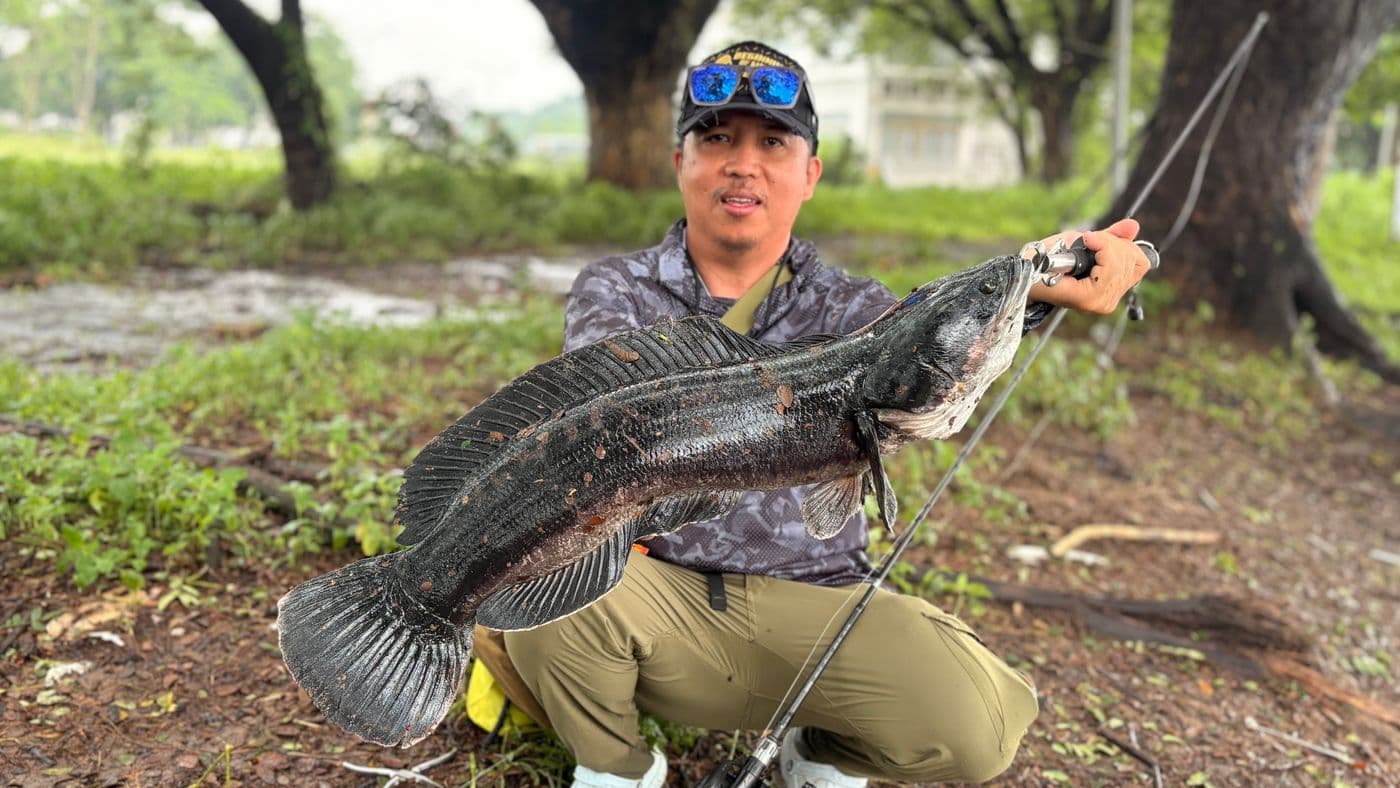
There is something special about chasing Toman, or the Giant Snakehead (Channa micropeltes). It is not just about the size of the fish or the excitement of getting a solid strike. It is about the entire experience — searching for productive waters, working different types of lures, reading fish behavior, and finally getting that explosive surface attack that every sport fishing angler looks forward to.
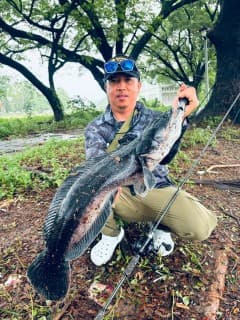
For freshwater lure enthusiasts in the Philippines, Toman is definitely one of the gamefish worth pursuing. Known for its aggressive nature, powerful runs, and willingness to attack a variety of artificial lures, it offers an exciting challenge whether you are fishing open water or working your way through heavy vegetation.
Over the years, through my fishing experiences and trips shared on my Facebook page, I've come to appreciate how versatile and exciting this fish can be.
If you're planning to try Toman fishing in the Philippines and have little to no idea on how to get into it, here are some of the things worth knowing before heading out.
1. WHERE TO FIND TOMAN IN THE PHILIPPINES
Although Toman is not as widespread as some of our other freshwater gamefish, there are several known areas where anglers can find established populations.
Macabebe and Calumpit, Pampanga/Bulacan
These areas are generally among the places I would consider when looking for Toman. Their interconnected waterways, abandoned fishponds, and vegetated freshwater environments provide suitable habitats for these predators.
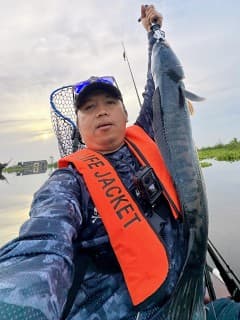
Macabebe and Calumpit are particularly interesting for anglers who enjoy exploring less conventional fishing grounds. There are plenty of potential areas to investigate, although knowing where to look and understanding the local water conditions can make a big difference. Haruan (Channa striata) are also abundant in these areas and can be caught on the same setup and lures.
Lakeshore Philippines, Mexico, Pampanga
An accessible destination is Lakeshore Philippines at Mexico, Pampanga. It is a convenient option for anglers who want to experience Toman fishing without having the need to the challenging area of Pampanga/Bulacan flooded areas and water ways.
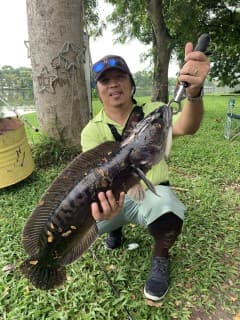
Aside from accessibility, Lakeshore offers opportunities to target Toman in a more established fishing environment, along with several other fish species (Tilapia, Milkfish, Haruan, Catfish, etc.) that can also be caught there.
For anglers who are relatively new to the species, this is one location worth considering.
Caliraya Lake, Laguna
Further down south, Caliraya Lake in Laguna is a beautiful destination worth exploring.
Apart from the fishing opportunities, the surrounding scenery makes the experience even more rewarding. It is the kind of place where you can enjoy a full day on the water, appreciate the surroundings, and spend quality time outdoors.
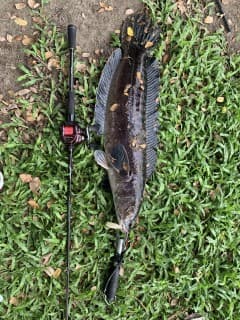
Several sought after game fish can also be caught there, like Largemouth Bass, Clownfish and Haruan.
Other locations
There are also other areas in the country where Toman can be found, although some have relatively small limited populations.
As with any freshwater gamefish, knowing the specific body of water, its fish population, and the right season can significantly improve your chances.
2. WHEN IS THE BEST TIME TO CATCH TOMAN?
One of the good things about Toman is that you can catch them throughout the year.
Unlike some gamefish species that have very specific seasonal windows, Toman can remain a viable target regardless of the month. However, based on my experience, the end of the rainy season is usually when they become particularly active.
This period can be especially productive because of their breeding behavior.
During the breeding season, Toman become more noticeable, especially when they start pairing up and eventually guarding their fry. Their behavior changes, and this creates opportunities for anglers who know how to identify and approach these situations.
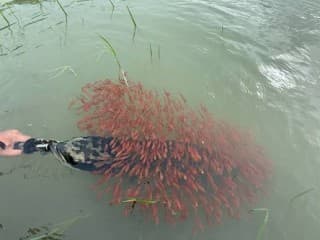
(image from web)
If there's one period I would particularly recommend, it would be the latter part of the rainy season.
3. RECOMMENDED TACKLE AND GEAR
Toman are powerful predators. They hit hard, make strong runs, and immediately head towards nearby vegetation, structure or cover once hooked.
This is why having the right tackle is important. Your setup should be appropriate for the type of water you're fishing.
Personally, I would recommend bait casting setup and in two ratings:
Medium Heavy (MH) Bait casting Setup – Open Water
For relatively open water with fewer obstacles, a Medium Heavy rated bait casting setup is a good starting point.
It offers a good balance of casting performance, lure control, and enough backbone to handle a decent sized Toman.
This setup is suitable for working plugs, spinnerbaits, and other moving presentations where casting distance and lure action are important.
Heavy to Extra Heavy (H–XH) Bait casting Setup – Heavy Cover
When working around thick vegetation, heavy cover, and areas where the fish can easily run to after a strike, I prefer going heavier.
A Heavy to Extra Heavy rated bait casting setup provides the additional backbone needed to turn this powerful fish away from cover and bring it under control.
Remember, having a strong rod is only part of the equation. Your reel, drag system, main line, leader, terminal tackle, and overall setup must also be appropriate for the conditions.
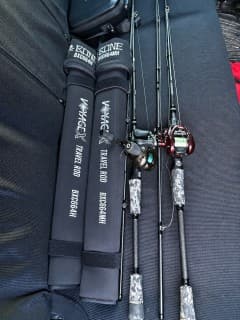
You definitely don't want to be under-equipped when a big Toman decides to take your lure.
4. LURE SELECTION: WHAT WORKS FOR TOMAN?
One of the most enjoyable things about Toman fishing is the variety of artificial lures you can use.
They are aggressive predators and can respond to different presentations depending on their activity, behavior, and the conditions of the water.
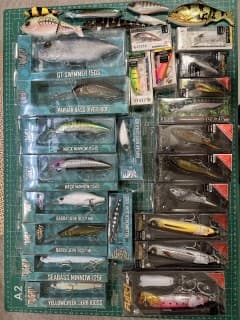
Here are some of the lures I personally use and would recommend bringing:
Hard Baits and Surface Plugs
- Crankbaits
- Jerkbaits
- Poppers
- Walk-the-dog (WTD) lures
- Prop baits
These lures offer different actions and presentations, allowing you to cover different water depths and trigger reaction strikes.
There is nothing quite like watching a Toman explode on a surface lure. Those aggressive top water attacks are among the most exciting moments in freshwater sport fishing.
Wire Baits
- Spinner baits
- Buzz baits
These are excellent options for covering water and attracting attention through vibration, flash, and movement.
Buzz baits, in particular are exciting, as they seemingly “call out” the fish to strike! And boy do they hit hard and go crazy!
Soft Plastics
- Paddle-tail swimbaits
- Creature baits
- Soft jerkbaits
For soft plastics, I generally recommend going bigger, measuring around 4 inches and above are commonly used when targeting these predators.
The key is to match the lure presentation with their behavior and the structure or cover you're fishing.
Don't be afraid to experiment. Sometimes changing the lure size, color, retrieve speed, or presentation can make all the difference.
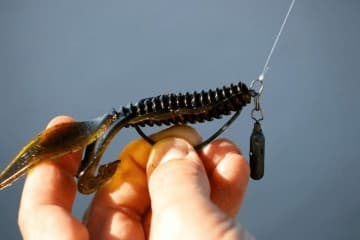
My all-time favorite and most reliable Toman lure is the “Jika Rigged Soft Plastic Frog/Toad”, it can cover the entire water column, works on a variety of cadence and fairly weedless. Making extremely effective in any situation. It is my go to lure and never go Toman fishing without it.
(image from web)
5. EFFECTIVE TECHNIQUES FOR CATCHING TOMAN
Having the right equipment and lures is important, but understanding how to approach the fish is equally important. Here are three techniques worth considering.
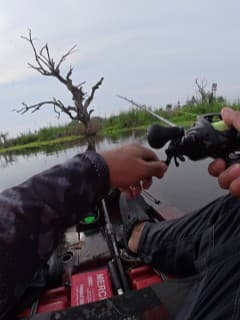
A. Casting Around Banks, Vegetation, and Structures
One of the basic approaches is to cast along the banks, near vegetation, and around structures where Toman may be holding or hunting.
Pay attention to areas that provide cover and ambush opportunities.
Instead of randomly casting into open water, concentrate on productive-looking spots. Work your lure parallel to the bank, around vegetation edges, and near likely holding areas like breaks in the vegetation or fallen/sunken brush and trees.
Be observant. Water movement, baitfish activity, and occasional surface disturbances when the Toman surfaces for air can give you clues about where these predators might be positioned.
B. Sight Casting
Another exciting technique is sight casting.
Toman are air breeders, while breaking the surface to take a breath, this gives anglers an opportunity to locate them visually rather than relying entirely on blind casting.
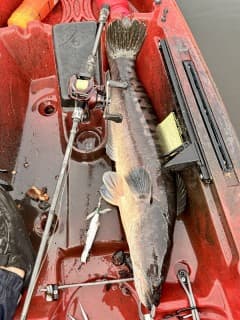
The challenge is to patiently await them breaking the surface while making the distinction between a Toman and other fish, approaching them carefully and making an accurate presentation without unnecessarily spooking the fish.
Patience and accurate casting with a fast sinking or noisy top water lure are particularly important here.
C. Breeding Season and Targeting Fry Balls – One of the Most Effective Approaches
During the breeding season, Toman can become more visible, particularly when they start pairing up and exhibiting territorial or protective behavior.
If there's one technique I would highlight, it would be casting around Toman fry balls during the breeding and fry-guarding period.
This is when adult Toman can be seen protecting their young, which gather together in a distinctive ball-like formation near the surface.
The presence of the fry ball makes the adult fish easier to locate and identify.
When you encounter this situation, the key is to understand that you're dealing with protective parent fish, not simply actively feeding predators.
This can be one of the most effective opportunities to locate and catch adult Toman, but it also calls for responsible fishing practices. If you do engage the adult fish, keep the encounter as brief as possible and practice proper catch and release.
For me, understanding fish behavior is just as important as knowing which lure to use.
6. RECOMMENDED FISHING CHARTERS AND GUIDES
If you're unfamiliar with the areas or would rather spend your time fishing instead of searching for productive locations, getting assistance from someone who knows the waters can make your trip much more worthwhile.
Here are two recommendations worth checking out:
Maxton Fishing – Pampanga/Bulacan Areas
For those interested in exploring the Toman fishing opportunities around Pampanga/Bulacan Areas, Maxton Fishing (Facebook) is one recommendation to consider.
Having someone familiar with the local fishing grounds can help you understand the area, identify potential spots, and make better use of your fishing time.
Peter Paul Mercado – Caliraya Lake, Laguna
For those planning to fish further south, Peter Paul Mercado (Facebook) is another recommendation for anglers interested in exploring Caliraya Lake.
Caliraya is a beautiful destination, and having someone familiar with its waters can make the experience more convenient and enjoyable.
I always encourage anglers, especially those visiting unfamiliar locations, to coordinate with local reliable guides and follow their lead in the said fishing grounds.
7. FINAL THOUGHTS: WHY TOMAN FISHING IS WORTH TRYING
Toman fishing is more than just looking for a big freshwater predator.
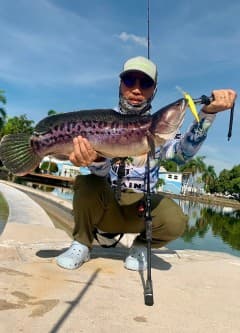
It involves understanding the environment, identifying productive locations, selecting the appropriate tackle, trying out different lures, and learning how the fish behaves.
Whether you're casting a Buzzbait across open water, working soft plastics along vegetation, or accurately presenting a crankbait near a potential holding area, every cast gives you another opportunity.
And when that unmistakable Toman strike happens, you'll understand why this fish has become such an exciting target for freshwater sport fishing enthusiasts.
If you haven't tried targeting Toman yet, perhaps it's time to add it to your freshwater fishing bucket list!
WANT TO KNOW MORE ABOUT TOMAN FISHING IN THE PHILIPPINES?
If you're planning a Toman fishing trip and need more information about possible locations, tackle recommendations, lure selections, or techniques, feel free to send me a direct message.
I'm always happy to share information and exchange experiences with fellow anglers.
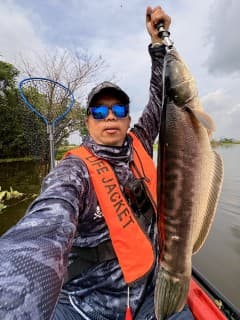
You can also check out my fishing adventures, catches, and tackle setups on my Facebook page:
https://www.facebook.com/chrisnucum
See you on the water, and tight lines!
NO FISHING. NO LIFE. 🎣
— Chris Nucum
BONE Fishing World PH Field-Staff
Fishing Villa Tackle and Outdoor Pro-Staff
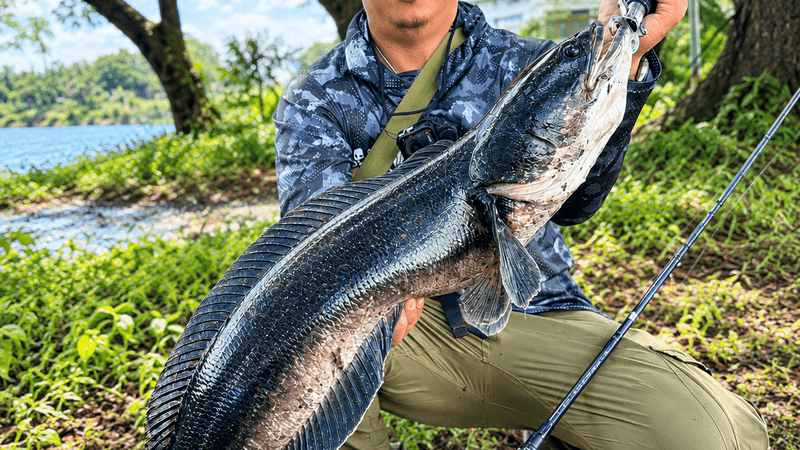
Written by
Chris Nucum
BONE Fishing World PH Field-Staff Fishing Villa Tackle and Outdoor Pro-Staff
More from Chris Nucum1 comment
Mathew Naval · November 17, 2026
Thanks for this, Sir Chris! Sakto eto ang chase fish ko ngayon 🤝
More articles
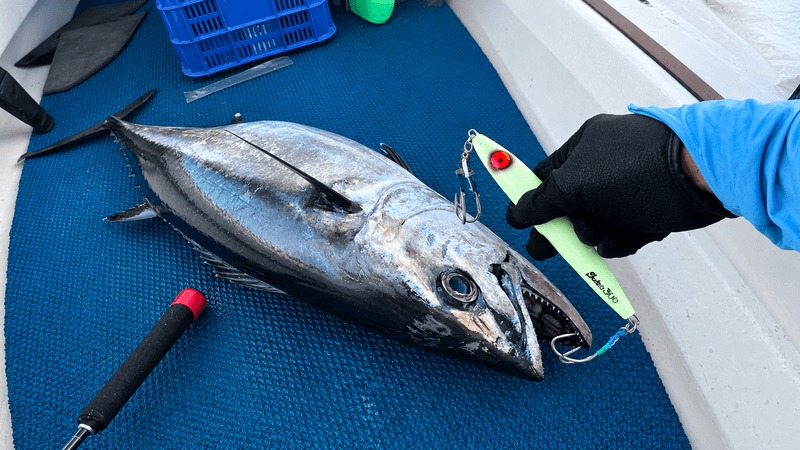
Field notes
Understanding Ike Jime and Shinkei Jime: The Japanese Art of Proper Fish Handling
Sam Lodor · November 12, 2026
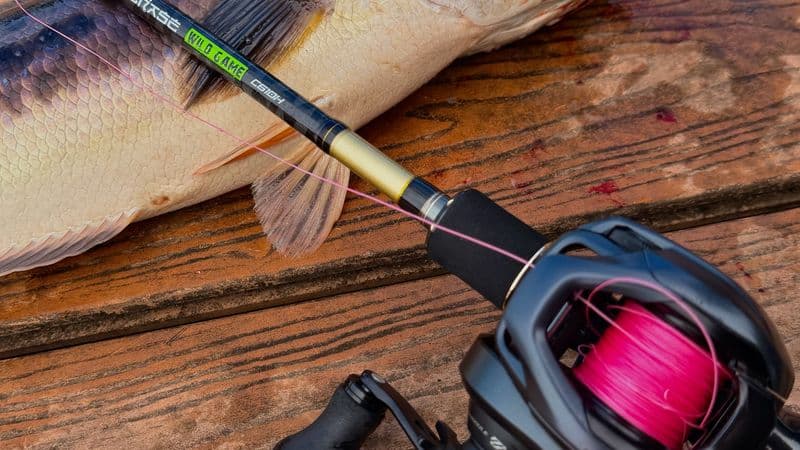
Stories
LAKEZERO❌ LAKEHERO ✅
A challenging day at Lakeshore, famously known among anglers as "Lakezero".
Bhima Ferreros / Johnny Hook · November 11, 2026
Tutorials & Guides
Fish It Forward: Simple Habits of a Responsible Angler
Healthy water full of fish is never guaranteed. It’s something anglers protect together, one trip at a time. This practical guide covers the simple habits of responsible fishing, from smarter gear and gentle catch and release to respecting the water and passing your knowledge on to new anglers.
Panch Trinidad · November 11, 2026