Fish It Forward: Simple Habits of a Responsible Angler
Healthy water full of fish is never guaranteed. It’s something anglers protect together, one trip at a time. This practical guide covers the simple habits of responsible fishing, from smarter gear and gentle catch and release to respecting the water and passing your knowledge on to new anglers.
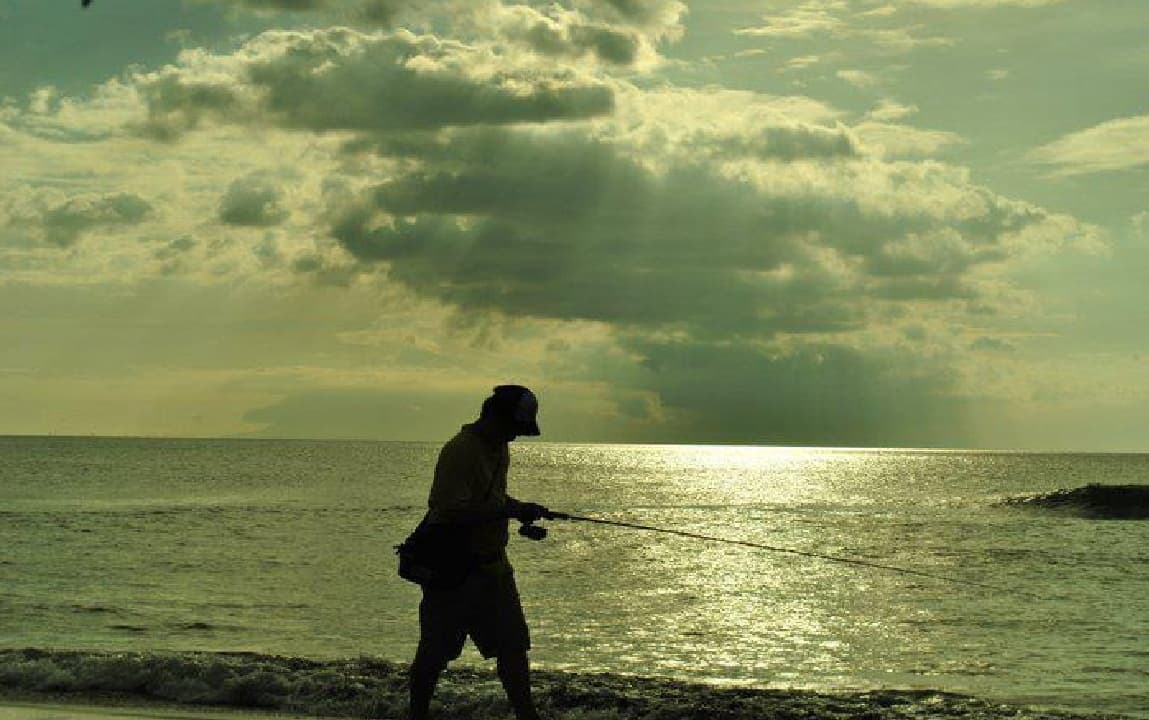
Fish It Forward: Simple Habits of a Responsible Angler
A practical guide to catch and release, conservation, and the kind of sportsmanship that keeps our waters full
Ask a room full of anglers why they fish and you'll hear a hundred different answers. The quiet just before sunrise. The first hard tug on the line. A day out with friends that somehow fixes the whole week.
Almost every one of those answers depends on the same thing: healthy water with fish in it. That was never guaranteed. It's something we protect together, one trip and one decision at a time.
The good news is that responsible angling comes down to a handful of habits. Learn them once and they become as automatic as tying your favorite knot. Here they are, in the order you'll actually use them.
1. Before You Cast
Good releases start at home, long before you reach the water.
- Check the rules every season (if you are fishing outside of the Phillippines). Size limits, bag limits, closed seasons and protected species can change. A two-minute check with your local fisheries office saves fish, and it saves you from fines.
- Match your tackle to your target. Gear that's too light turns a five-minute fight into a twenty-minute one, and an exhausted fish has a much harder time recovering.
- Pinch your barbs. A quick squeeze with pliers makes hooks easier to remove and does far less damage. You'll lose fewer fish than you expect.
- Use circle hooks when fishing with bait. They tend to set in the corner of the mouth instead of being swallowed, which makes a clean release far more likely.
- Pack a release kit. Long-nose pliers or a de-hooker, line cutters, and a rubber or knotless net, wet your measuring mat and Keep them where you can grab them in seconds, not buried at the bottom of your bag.
- Decide before you catch. Know whether you're keeping or releasing before the fish is in your hands. Hesitation costs the fish precious time out of the water.
2. During the Fight
- Fight with purpose. Bring the fish in efficiently. Playing it until it's completely spent can leave it too weak to survive, even if it swims away looking fine.
- Mind the water temperature. Warm water holds less oxygen, so fish tire faster and recover slower. On hot days, fish early, keep fights short, or give the fish a break.
- Use the right net. Rubber or knotless mesh protects the fish's slime coat and fins. Old nylon nets scrape both away.
- Know when to stop. If fish are spawning, stressed by heat, or you've simply caught enough, it's okay to reel in and enjoy the view.
3. The Release: The Most Important Minute
Most of the harm happens in the minute after a fish is landed. Slow your mind down and speed your hands up.
- Keep it wet. If you can unhook the fish while it's still in the water, do it. That's the gold standard.
- Wet your hands first. Dry hands, towels and cotton gloves strip away the slime coat that protects fish from infection.
- Hold your breath. When you lift a fish out for a photo, hold your breath too. When you need air, so does the fish. Put it back.
- Support the body. Cradle the fish horizontally with one hand under its belly. Never squeeze, and keep your fingers well away from the gills.
- Don't hang heavy fish by the jaw. Holding a big fish straight up and down can injure its jaw and internal organs.
- Cut the line on deep hooks. If the hook is swallowed, snip the line as close as you can instead of digging for it. Many fish survive this way, and some shed the hook on their own.
- Revive before you let go. Hold the fish upright, facing into the current, so water flows over its gills. In still water, move it gently forward, never backward. Release it only when it kicks away on its own.
- Help deep-water fish get back down. Fish pulled up from deep water can suffer barotrauma, often seen as bulging eyes or a swollen belly. A descending device returns them safely to depth and greatly improves their chances.
4. Respect the Water and Everyone On It
- Take your line home. Discarded fishing line can tangle and kill birds, turtles and other wildlife for years. Pocket every scrap, then cut it into short pieces before throwing it out, or drop it in a line recycling bin if one is nearby.
- Leave it cleaner than you found it. Pick up at least one piece of trash that isn't yours on every trip. It adds up faster than you'd think.
- Keep only what you'll eat. Taking a legal fish home for dinner is part of fishing. Filling a cooler just to show it off is not.
- Give other anglers room. Don't crowd someone's spot or cast across their line. If you'd like to fish nearby, just ask. Most people are happy to share.
- Report problems the right way. If you see illegal fishing or pollution, tell the proper authorities rather than confronting people yourself.
- Think before you geotag. Posting the exact location of a sensitive spot or spawning ground can bring more pressure than that water can handle.
5. Pass It On
The fishing community grows one conversation at a time. Every skilled angler you admire was once a beginner with a tangled reel, hoping someone would stop and help.
- Teach generously. Ten minutes showing someone a reliable knot can save them a whole season of lost fish.
- Celebrate good releases. Cheer a clean release as loudly as a trophy catch. People repeat what gets praised.
- Answer every question kindly. The beginner asking an "obvious" question today might be mentoring others five years from now.
- Bring someone new along. Invite a kid, a friend or a neighbor who has never fished. Patience is the only special gear that trip needs.
- Lead by example. People copy what they see on the water far more than what they read online. Your habits are your loudest lesson.
Quick Checklist Before You Head Out
- Local rules, seasons and limits checked
- Tackle matched to the species you're after
- Barbs pinched or barbless hooks packed
- Pliers, line cutters and a rubber net within reach
- Descending device, if you're fishing deep water
- A bag for trash and used line
- A clear plan for what you'll keep and what you'll release
The Measure of a Good Day
Years from now, you won't remember how many fish you caught on any given morning. You'll remember the release you got just right, the beginner who finally landed their first one, and the stretch of shoreline you left a little better than you found it.
Fish well, treat the water kindly, and share what you know. That's how we make sure the next generation gets to feel that first tug on the line too.

Written by
Panch Trinidad
An angler deeply involved in the fishing community, dedicated to advancing technical fishing and responsible angling. An advocate of ethical fishing, catch and release, and promoting integrity, conservation, and sportsmanship through knowledge-sharing and mentorship within the angling community.
More from Panch Trinidad1 comment
Mathew Naval · November 11, 2026
Such a good read! Hoping that someday, those of us who practice catch and release will become the majority. Let's keep fishing responsibly! Tight lines!!!
More articles
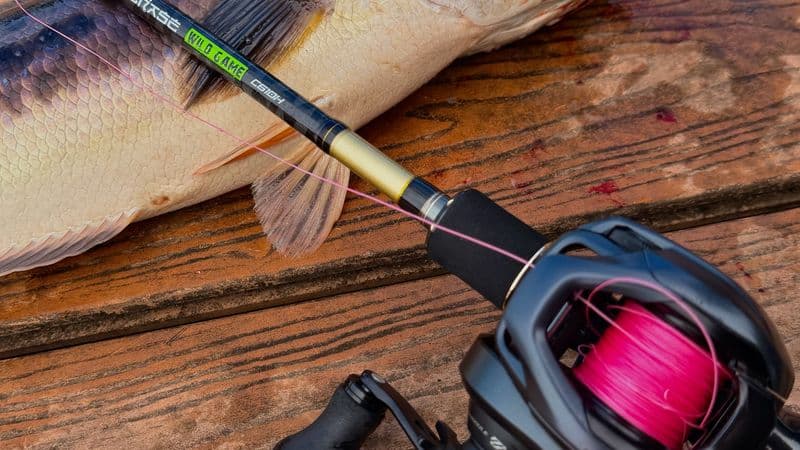
Stories
LAKEZERO❌ LAKEHERO ✅
A challenging day at Lakeshore, famously known among anglers as "Lakezero".
Bhima Ferreros / Johnny Hook · November 11, 2026
Field notes
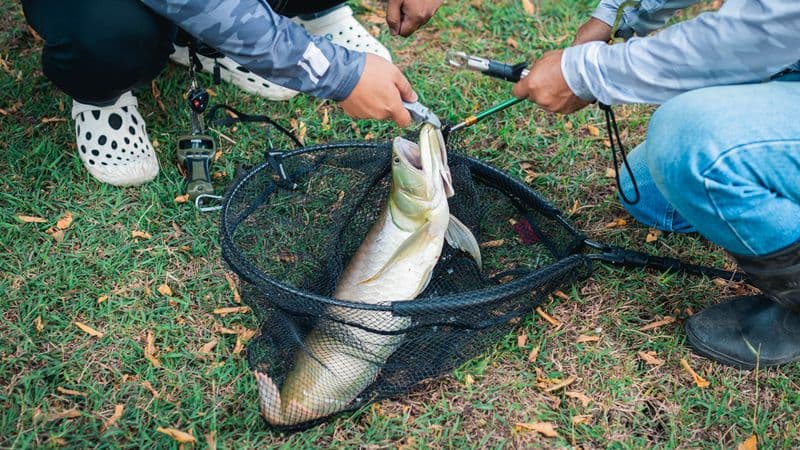
Why Every Angler Should Use a Landing Net
The primary benefits of using a landing net include higher catch success, increased angler safety, faster fish recovery, and the prevention of gear failure.
Sam Lodor · November 2, 2026
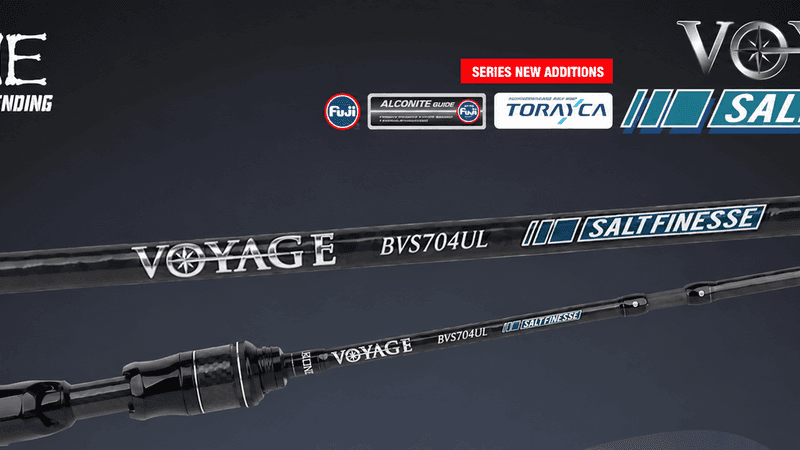
Bone Voyage Salt Finesse UL Travel Rod (BVS704UL)
UltralightPerformance, Travel-Ready Convenience
Chris Nucum · October 23, 2026