HOW TO RINSE YOUR SPINNING REEL AFTER A FISHING TRIP
A simple routine to protect your fishing reel, especially after saltwater fishing!
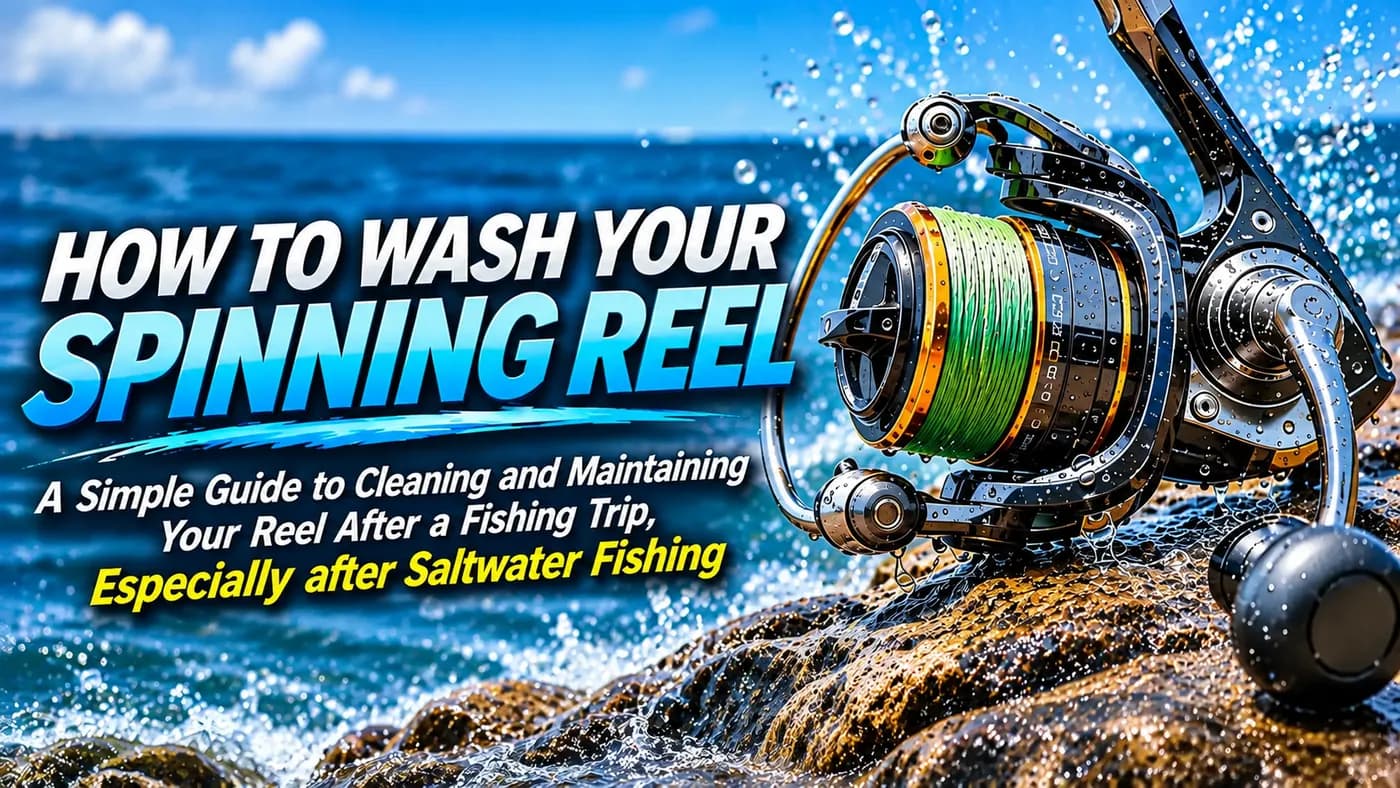
Whether fishing from shore, aboard a boat, or paddling a kayak, spinning reels are constantly exposed to the elements. Here in the Philippines, saltwater fishing often means dealing with sea spray, salt deposits, sand, mud, and humid conditions. During fishing trips in the U.A.E., the combination of saltwater, heat, and sandy environments makes proper gear maintenance just as important.
A spinning reel may look perfectly fine after a fishing trip, but salt residue can remain in places we cannot easily see. Over time, this can contribute to corrosion, rough operation, and premature wear.
That is why rinsing and maintaining reels after every fishing trip (especially saltwater) is an important part of my after fishing routine.
Do the following steps for rinsing and storing spinning reels:
1. Tighten the drag before rinsing
Before washing the reel, tighten the drag.
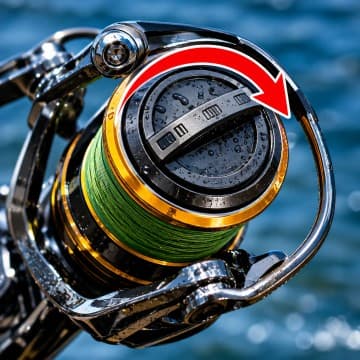
This helps protect the drag system from unnecessary exposure to water during the rinsing process. It is a simple precaution that should be done before introducing freshwater to the reel.
However, tightening the drag does not make the reel completely waterproof. The reel should still be rinsed gently and never submerged.
2. Gently rinse with clean freshwater
After a fishing trip, use clean freshwater to rinse away dirt or salt deposits from the reel. If possible, rinse with warm water as this helps dissolves grime and salt crystals better.
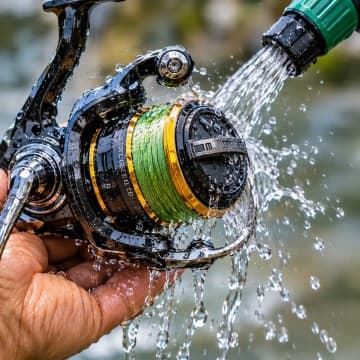
The important thing is to use a gentle flow of water. Avoid using a pressure washer or a strong jet of water because high-pressure water can force moisture and contaminants into the reel's internal components.
Also, avoid spraying directly upward into the reel from underneath.
The objective is not to blast the reel clean. It is to wash away salt and dirt without forcing water into areas where it does not belong.
3. Rinse the reel body, spool, bail, and handle
Carefully rinse the exterior of the reel, paying attention to the following areas:
- Spool and spool lip
- Bail arm and line roller
- Reel body and rotor
- Handle and handle knob
- Exposed areas where salt and dirt may accumulate
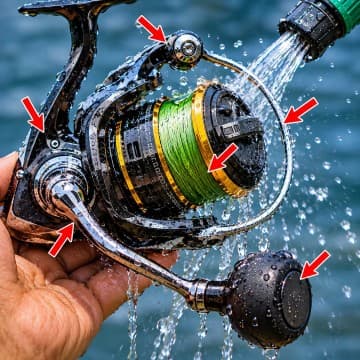
During shore fishing, sand and fine particles can get into the reel's exterior. During boat and kayak fishing, sea spray can settle on the reel even when it is not directly splashed by waves.
A gentle rinse after each trip helps remove these contaminants before they have time to accumulate.
4. Avoid common rinsing mistakes
There are several things to avoid when washing spinning reels.
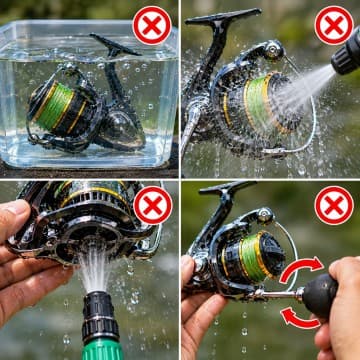
Never soak or immerse the reel. Even if a reel is advertised as water-resistant, prolonged immersion can expose it to water beyond its intended protection.
Never use high-pressure water. This can force water and contaminants into the reel.
Do not spray directly upward from underneath. This can push water into openings and internal components.
Do not turn the handle while rinsing. Keep the reel stationary during the washing process.
These precautions are particularly important for saltwater reels, where proper maintenance can help extend the life of your fishing equipment.
5. Wipe the reel and allow it to dry
After rinsing, use a soft, clean cloth to wipe away the remaining water.
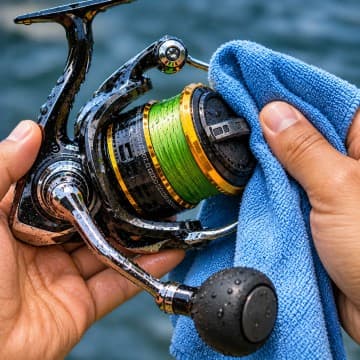
Carefully dry the reel body, handle, rotor, and other accessible surfaces.
Then allow the reel to air-dry in a shaded, well-ventilated area.
Never leave the reel under direct sunlight for prolonged periods. Excessive heat can affect lubricants, seals, and other components.
The reel should be completely dry before proceeding with storage or applying any lubricants (oil & grease).
6. Remove the spool and clean the spool drag area
This is one of the most important additional steps in my reel-maintenance routine.
After the reel has been rinsed and the exterior has been wiped dry, remove the spool from the reel.
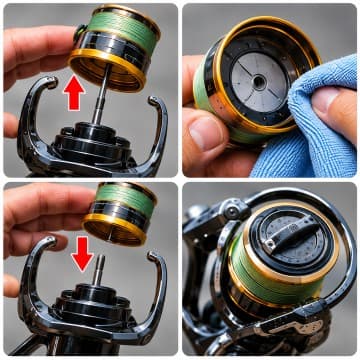
Carefully wipe the spool's exterior and interior surfaces, including the underside of the spool where salt and moisture may accumulate.
Also pay attention to the spool drag area.
Saltwater can find its way into the spool and drag components, especially after repeated fishing trips. If moisture and salt remain trapped in this area, they can affect the smoothness and reliability of the drag system.
Using a soft, clean, dry cloth, carefully wipe:
- The inside of the spool
- The underside of the spool
- The spool shaft area, where accessible
- The drag washers and drag components (if you are familiar)
Avoid dismantling the drag stack if you are not familiar with the procedure.
Once everything is clean and dry, reassemble the spool and reinstall it onto the reel.
Make sure the spool is properly seated and the drag cap is securely fitted.
A smooth and reliable drag is essential when fighting fish, whether it is a hard-running saltwater species from the shore, a powerful fish from a boat, or a surprise catch while kayak fishing.
7. Loosen the drag before storage
Once the reel is completely dry and the spool has been reinstalled, loosen the drag before storing the reel.
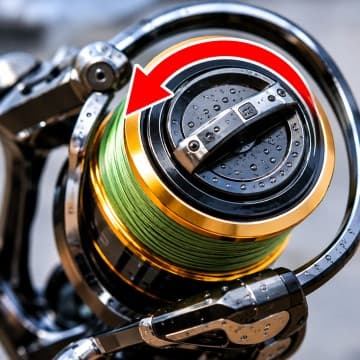
This helps avoid leaving unnecessary compression on the drag washers during extended storage.
If lubrication is required, I use only reel-specific lubricants and apply them only at the points recommended by the reel manufacturer.
I do not apply oil or grease indiscriminately, especially around drag washers as this will affect the drag performance if excess oil (or grease) seeps in them.
Finally, I store the reel in a clean, dry place, away from direct sunlight and excessive humidity.
8. Video for reference
For a visual guide, check out this video from ShimanoFish SEA:
How to Wash Your Spinning Reel
https://www.youtube.com/watch?v=jWwlvKDy2Pk
A small routine that protects every fishing adventure
My fishing trips in the Philippines and the UAE have taken me to different environments, from shorelines and coastal areas to boats and kayaks.
Each fishing platform presents its own challenges.
Shore fishing exposes reels to sand, salt spray, and sometimes direct contact with the ground. Boat fishing can mean constant exposure to sea spray and splashing water. Kayak fishing brings the reel closer to the water, where splashes and accidental wetting are part of the experience.
Regardless of where we fish, the same principle applies: take care of your fishing gear after every trip.
A spinning reel is a precision piece of equipment. It deserves proper care, especially when used in saltwater environments.
Rinsing the reel gently, removing and drying the spool, cleaning the drag area, and storing it properly are simple steps that can help preserve its performance and reliability.
Fishing gear is an investment in our passion. A little time spent maintaining it after every trip can make a big difference when the next opportunity to hook a good fish comes along.
Fish hard. Maintain your gear. Be ready for the next adventure.
Note: Reel maintenance procedures vary by brand and model. Always refer to your reel's instruction manual for the recommended cleaning, drag care, and lubrication procedures.
— Chris Nucum
BONE Fishing World PH Field-Staff
Fishing Villa Tackle and Outdoor Pro-Staff
Written by
Chris Nucum
BONE Fishing World PH Field-Staff Fishing Villa Tackle and Outdoor Pro-Staff
More from Chris NucumComments
No comments yet. Be the first to ask or share a tip.
More articles
Stories
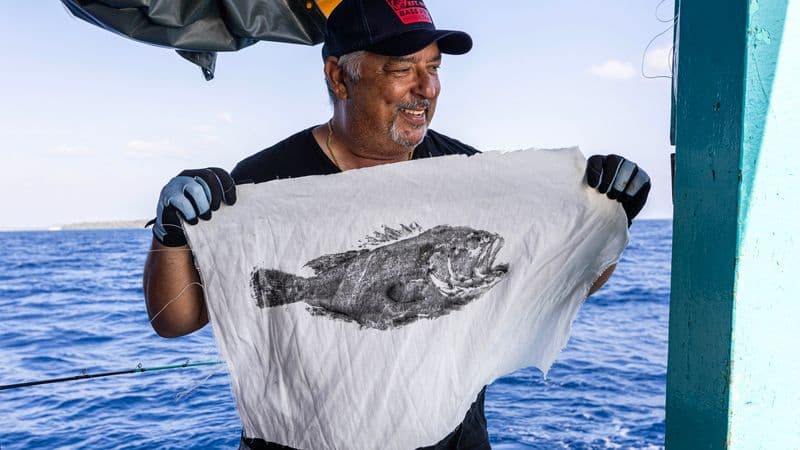
Ink, Salt, and Scales: Learning the Art of Gyotaku
Centuries ago, Japanese fishermen needed a way to document the exact size and species of their prized catches before cameras existed. They brushed non-toxic ink onto the fish, pressed rice paper over it, and peeled away a lifelike, one-to-one impression.
Sam Lodor · November 19, 2026
Tutorials & Guides
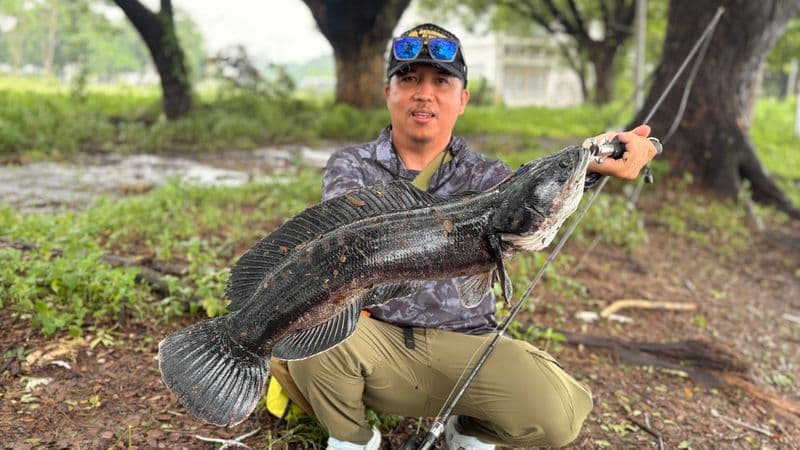
CHASING THE GIANT SNAKEHEAD: A SPORTFISHING GUIDE TO TOMAN (Channa micropeltes) IN THE PHILIPPINES
Discover Toman (Giant Snakehead) fishing in the Philippines! Explore the best locations, seasons, tackle setups, lure selections, and effective techniques for targeting this powerful freshwater predator, from Pampanga to Caliraya Lake.
Chris Nucum · November 17, 2026
Field notes
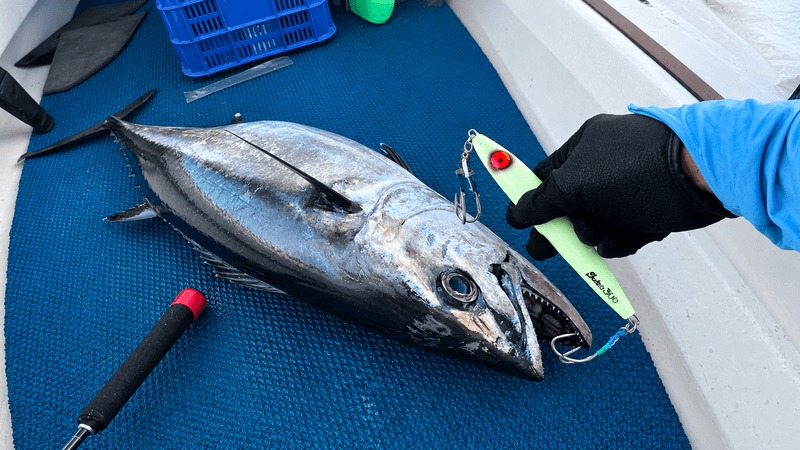
Understanding Ike Jime and Shinkei Jime: The Japanese Art of Proper Fish Handling
All fish becomes premium regardless of the species, as long as you perform ike jime and sheinkei jime.
Sam Lodor · November 12, 2026