Years on the Water: Why FEED Rods Deserve a Spot in Your Rack
For anglers looking to level up their setup without jumping straight into ultra-expensive custom rods, FEED hits a sweet spot that is hard to beat.
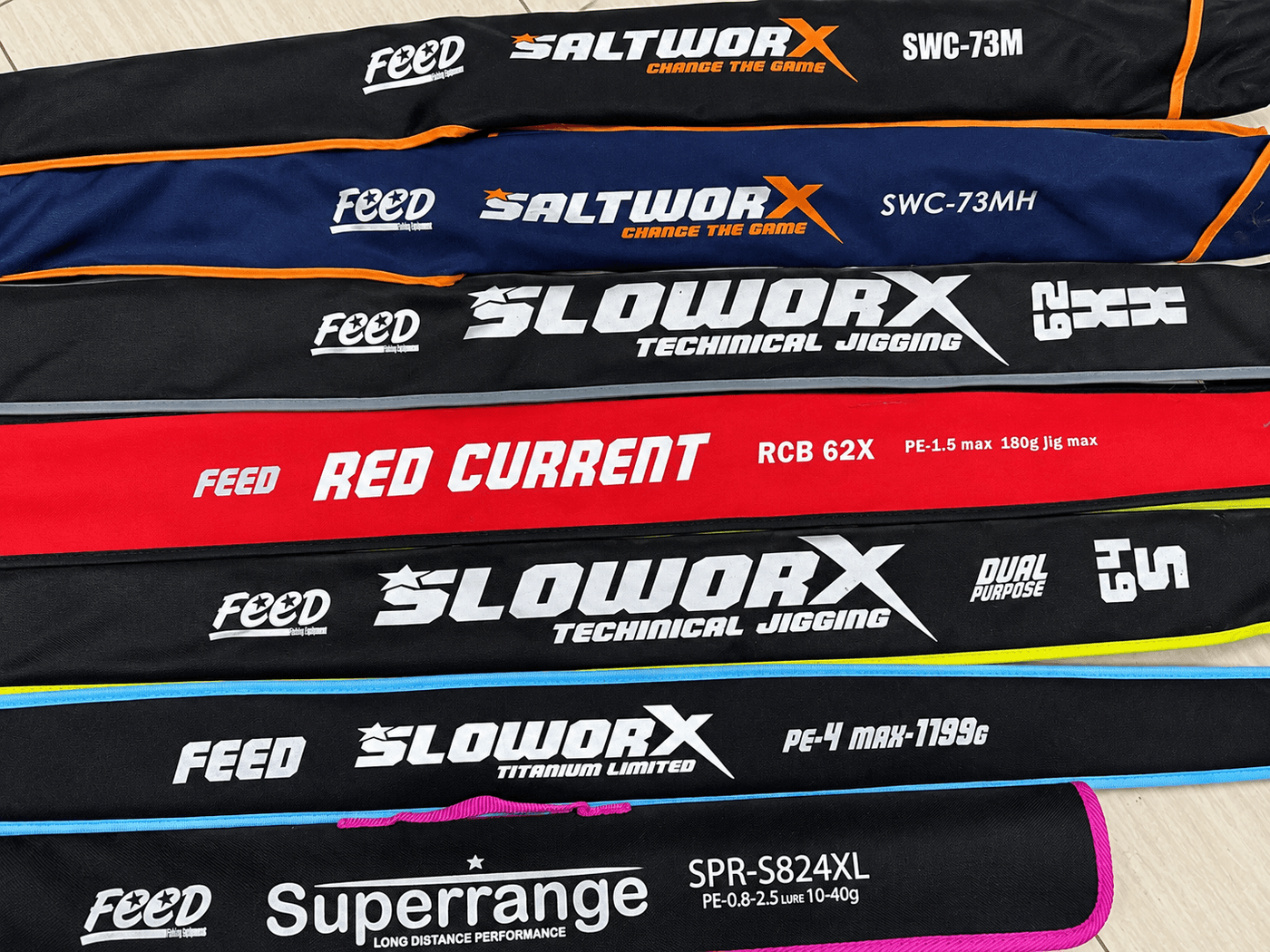
If you spend enough time on the water—whether you are working heavy jigs over deep reefs or casting lures-you eventually realize that a rod isn't just a piece of carbon; it's the direct line of communication between you and whatever is hiding below. Years ago, I picked up my first FEED rod (FEED Sloworx 62xx), curious about the brand after reading and searching on the internet, it gave me a feeling of lowkey arsenal but with a hype among local and regional anglers held up under real abuse. Four years of salt spray, bruised knuckles, and screaming drags later, FEED has quietly become the backbone of my lineup.
For anglers looking to level up their setup without jumping straight into ultra-expensive custom rods, FEED hits a sweet spot that is hard to beat.
Why You Must Consider a FEED Rod?
Most rods force you to compromise between featherlight sensitivity and raw backbone. You either get a pole that wears out your shoulder by noon, or a noodle that feels great on small fish but folds the moment a proper trophy decides to head back into structure.
FEED designs their blanks around real-world Southeast Asian and tropical sportfishing conditions—meaning they are built to handle aggressive, hard-fighting fish right out of the gate. Over the last four years, three things have kept me coming back to them:
First, blank recovery and sensitivity: Whether working slow-pitch jigs on a Sloworx or firing accuracy casts, the blank crispness lets you feel subtle bottom transitions and light taps before a fish even commits.
Second, lifting power: Because the blanks are slim and light, it is easy to underestimate them until you lock down the drag. Under load, the curve absorbs sudden headshakes smoothly while retaining serious stopping power in the butt section.
Third, built for abuse: Tropical saltwater and thick freshwater cover destroy cheap hardware. Between solid components and resilient blank finishes, my four-year-old rods have survived boat-side bumps, heavy braid friction, and countless washdowns without failing.
Lets Talk About the Core Lineup & Price Points (based from what I currently have and tried)
One of the biggest advantages of FEED is how clearly their rods are tailored to specific styles, making it easy to pick the right tool for your water. Depending on the model, pricing sits squarely in the mid-to-upper tier—giving you tournament-grade performance without flagship price tags.
If you are looking for an entry point into their heavy-duty power blanks for heavy baitcasting or power jigging, the Red Current is a great place to start at around ₱9,200 to ₱9,900. Stepping up into dedicated saltwater boat and shore work, the Saltworx spinning rods ranges from ₱12,200 to ₱22,100 and covers everything from light inshore casting all the way to heavy GT popping. Vertical jiggers can look to the Sloworx lineup—priced from ₱10,800 up to ₱22,350—which stands out for its crisp pitch rebound and higher-end options built with Titanium Limited blanks. Finally, if you are always on the move, the Superrange runs between ₱13,900 and ₱17,750, offering convenient 3- to 4-piece travel packability that still bends and fishes like a true one-piece rod.
The Advantage of Owning One
After four seasons, the biggest advantage isn't just a single spec on a tag—it's all-day endurance paired with confidence. When a rod is balanced properly, you cast cleaner, work your lure or jig with better rhythm, and stay sharp during that last crucial hour before sunset when the big bite turns on.
And when that fish finally hits, you don't have to baby your gear. Knowing your rod can handle high drag pressure lets you focus entirely on angling—controlling the fish's head, keeping it out of snags, and enjoying the fight. If you're ready to invest in a workhorse rod that feels refined in the hand yet refuses to back down under pressure, a FEED rod belongs at the top of your shortlist.
Written by
Sam Lodor
Brand Ambassador / Pro Staff at Fishing Villa, Feed Rods, Hayabusa, Halco Tackle, Asso Fishing Line, BKK, Suteki, Villain
More from Sam LodorComments
No comments yet. Be the first to ask or share a tip.
More articles
HOW TO RINSE YOUR SPINNING REEL AFTER A FISHING TRIP
A simple routine to protect your fishing reel, especially after saltwater fishing!
Chris Nucum · November 26, 2026
Stories
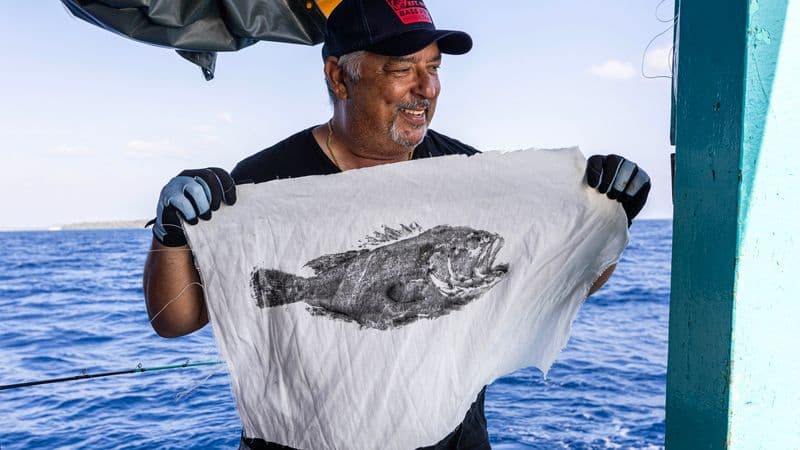
Ink, Salt, and Scales: Learning the Art of Gyotaku
Centuries ago, Japanese fishermen needed a way to document the exact size and species of their prized catches before cameras existed. They brushed non-toxic ink onto the fish, pressed rice paper over it, and peeled away a lifelike, one-to-one impression.
Sam Lodor · November 19, 2026
Tutorials & Guides
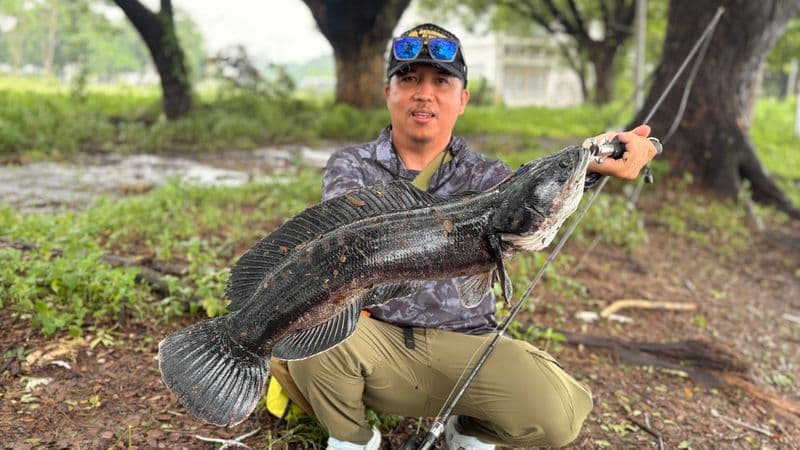
CHASING THE GIANT SNAKEHEAD: A SPORTFISHING GUIDE TO TOMAN (Channa micropeltes) IN THE PHILIPPINES
Discover Toman (Giant Snakehead) fishing in the Philippines! Explore the best locations, seasons, tackle setups, lure selections, and effective techniques for targeting this powerful freshwater predator, from Pampanga to Caliraya Lake.
Chris Nucum · November 17, 2026